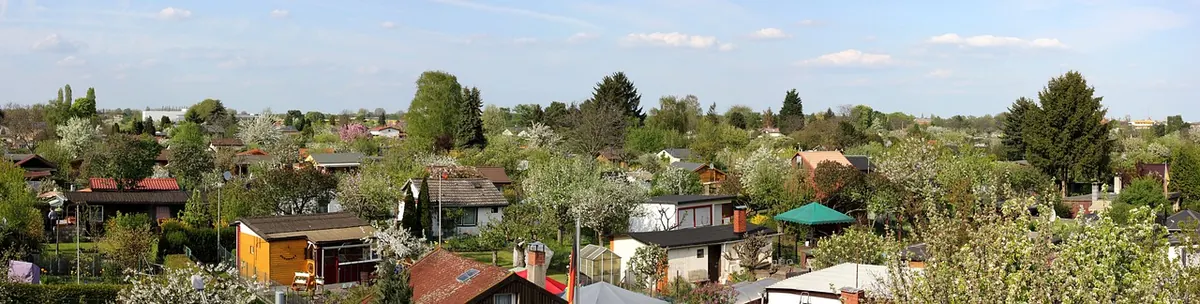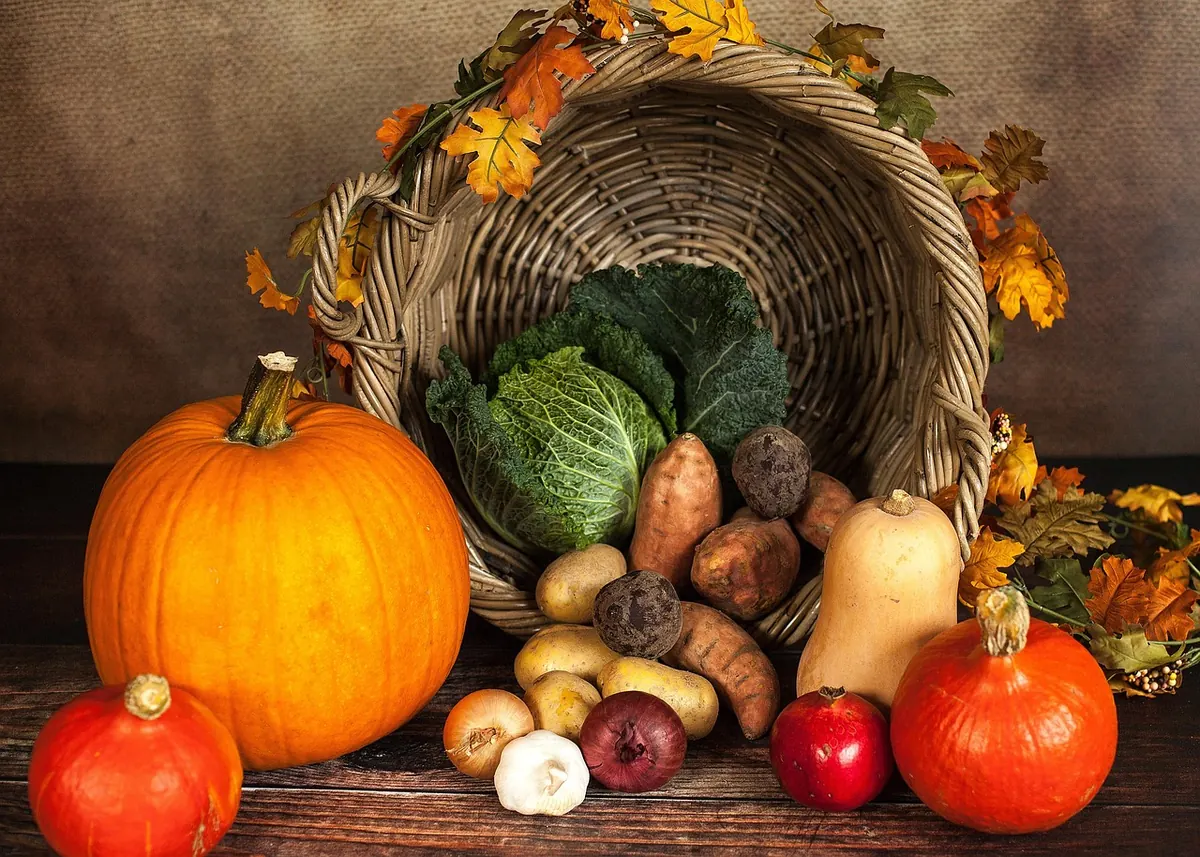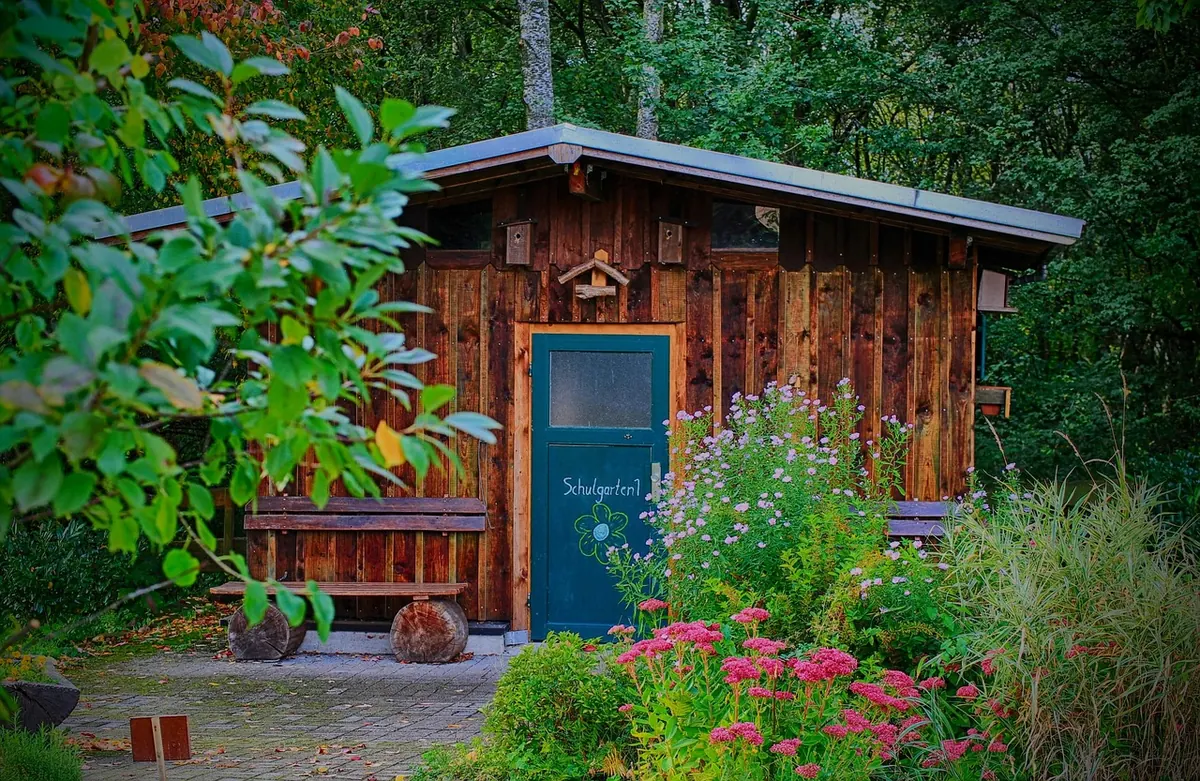
Cumbria's gardening year does not begin in a garden centre in March. It begins in a village hall in February, at a trestle table covered in labelled envelopes, with somebody asking whether anyone has spare climbing French bean seed. By May those same people are selling tomato plants outside a church, and by October they are queueing for soup and a prizegiving at the harvest supper. These small gatherings are how seeds, plants and hard-won local knowledge travel around the county, from Whitehaven to Kirkby Lonsdale.
How to Find What's On Near You
No single listing catches everything in a county this size, so watch several small channels rather than one big one.
- Parish magazines, village noticeboards, library and church newsletters. These carry the local detail that never makes it online.
- Allotment associations. Even without a plot, many run seed orders, manure deliveries and summer shows, and they welcome helpers.
- Horticultural societies and garden clubs. Most towns have one, with winter talk programmes and summer shows.
- Local Facebook groups and WhatsApp chats. Search your town name plus "allotment", "growing" or "gardening".
- Gardens open to the public, plus National Trust and Cumbria Wildlife Trust event pages.
- Agricultural and village shows. The horticulture tent at a small show is often the friendliest place to meet growers from your valley.
If in doubt, ask at a nursery till or at the raffle table. Someone will know.
Seed Swaps: The Cheapest Way to Restock
A seed swap is exactly what it sounds like. You bring seed you have saved or surplus packets you will never sow, and you take home something else. Entry is usually free or a small charge, and many swaps run alongside a talk, a bowl of soup or a seed-sowing demonstration.
What to bring: seed you can name. Write the variety, the year it was saved and any sowing notes on the packet. If germination was patchy, say so — people would rather know. Unlabelled dust from the back of a shed drawer helps nobody.
What to look for: open-pollinated varieties you can save from again, and anything already proven in a wet, windy Cumbrian garden. Beans, peas, lettuce, tomatoes and hardy herbs are the mainstays. A word of caution on saving your own: seed from F1 hybrids will not come true, so the offspring may be nothing like the parent. Squashes, courgettes and pumpkins cross-pollinate freely, so label that seed honestly if you cannot vouch for isolation.
Take small envelopes, a pen and a notebook. Some swaps are brisk and over in half an hour; others stretch across a whole morning. Arrive early for the best of the tomatoes.
Plant Sales: Buying Well and Cheaply
Spring plant sales are the backbone of the calendar. You will find them at village halls, churchyards, allotment sites, school playgrounds and community gardens, mostly from late April to early June, with a second flurry in early autumn.
Expect divisions of hardy perennials, surplus vegetable seedlings, tomato plants, herbs, dahlias, fruit bushes, houseplants and the occasional tray of something nobody can identify. Plants are donated or grown by volunteers, which is why the tables are so appealing and the money goes straight back into the garden or the roof fund.
How to buy sensibly
- Take cash, including small change. Card readers are rare at this kind of sale.
- Bring a sturdy box or crate and some newspaper for the journey home.
- Check the roots where you can. A plant that lifts easily from its pot with pale, active roots beats a big top on a tiny rootball.
- Leave leggy, yellowing or flowered-out specimens unless you are confident of reviving them.
- Ask how tall it grows and whether it minds wind. That matters more here than in most counties.
- Arrive early for choice, or in the last half hour for bargains, when many sales cut prices rather than carry plants home.
Keep new plants apart from established ones for a week or two. It gives you a chance to spot slugs, vine weevil or potting compost problems before they spread.
Harvest Festivals, Village Shows and Apple Days
From late August the calendar turns to judging. Village shows ask for the heaviest onion, the longest runner bean, three perfect tomatoes, a jar of chutney, a vase of sweet peas and a children's class involving a vegetable creature.
Entering is the best-value gardening lesson going. Read the schedule carefully: it is the rulebook, and most entries lose points for the wrong number, the wrong size or the wrong plate. If you are nervous, start with one class. Stand near the table once judging finishes and read the comments — they are usually more useful than the rosette.
Harvest festivals at churches and community gardens work differently. You bring what you have grown, it goes on display, and it is often shared or donated afterwards. If you are contributing fresh produce to a food bank collection, check with the organisers first about what they can accept and how it will be stored.
Apple days in October make a good family outing. You will often find a press, somebody identifying fruit from old orchards, juice by the cup and grafting demonstrations. Cumbria has a long orchard history and plenty of unnamed trees in back gardens.
A Rough Year at a Glance
- January to March: seed swaps, potato days, seed-order evenings and winter talks.
- April and May: spring plant sales, sowing workshops, allotment open days.
- June and July: open gardens, county and agricultural shows, vegetable and rose shows.
- August and September: village shows, harvest festivals, early apple days.
- October and November: apple pressing, seed-saving and tool-care workshops, bulb sales.
- December: wreath-making, winter talks and plans for next year's swap.
Getting Involved, Not Just Turning Up
Most community gardens, school growing projects and allotment sites rely on volunteers and would rather have you for two hours than not at all. Sessions usually run for a couple of hours, tools are provided, and there is almost always tea. Wear layers, bring waterproofs and gloves, and expect to spend the first visit being shown around rather than doing anything dramatic.
Offering to help set up tables or clear away at the end of an event is the quickest route from stranger to regular. You will also pick up the local specifics that no book covers: how to build a windbreak that survives a Cumbrian spring, which varieties cope with thin coastal soil, and how to work heavy clay in the Eden Valley.
Before You Go: Practical Notes
Take cash, a box, a notebook and a pen. Check whether an event is indoors or outdoors, and park so you are not blocking a farm gate or a narrow lane. Car-share where you can, especially on the single-track roads that lead to the best village halls.
Ask questions, and be honest about what you know and what you do not. If you are the one organising, keep it simple: advertise early in the parish magazine, label everything clearly, provide a table for tea, and finish when people are still enjoying themselves.
Turn up to one seed swap this winter and you will have next season's beans, a new acquaintance with a polytunnel, and an invitation to a harvest supper in October. That is how the Cumbrian growing calendar works, and it is open to anyone with a windowsill, a back yard or half an allotment.
Photo: Carola68 / Pixabay